
What Is Physical Fitness?
Physical fitness can be defined as a set of characteristics that are either health-related or skill-related. It refers to your ability to perform physical tasks efficiently as it relates to a particular sport or your day-to-day activities. In addition to physical health, being physically fit helps improve your mental, emotional, and social health.Health-Related Physical Fitness
Health-related physical fitness is primarily associated with disease prevention and functional health. Participating in regular health-related fitness helps you control your weight, prevents diseases and illness, improves your mood, boosts energy, and promotes better sleep.It is made up of five sections: cardiovascular endurance, muscular strength, muscular endurance, flexibility, and body composition. Lets take a closer look at the five sections of health-related fitness:
Cardiovascular endurance is the ability of your heart, blood cells, and lungs to work continuously for extended periods of time. This is how efficiently your body takes in, transports, and uses oxygen while exercising. Having efficient heart and lungs leads to increased energy throughout the day.
Muscular strength is the maximum amount of force a muscle can produce in a single effort or how much you can lift in one attempt. Performing exercises that use your own body weight, free weights, or weights on a machine are excellent ways to develop muscle strength. Having muscular strength will ensure that you have the strength needed to lift a heavy object, for example a box full of books.
Muscular endurance is your ability to contract your muscles several times without excessive fatigue. Another way to think about it is the length of time your muscles can continue to work before tiring. What this means is once you have picked up that heavy box of books, you can then carry that box for a long period of time before you need to take a break.
Flexibility is the range of motion that your joints have during movement. Maintaining flexibility can improve your performance in physical activities in addition to decreasing your risk of injuries by helping your joints move through their full range of motion, therefore, allowing your muscles to work most effectively. Stretching and yoga can be done to help improve your flexibility.
Body composition is the ratio of water, bone, muscle, and fat in the body. A healthy body composition indicates that you may have less risk of developing obesity-related diseases, such as diabetes, high blood pressure, and even some cancers
Some Featured Tips for Weight Loss
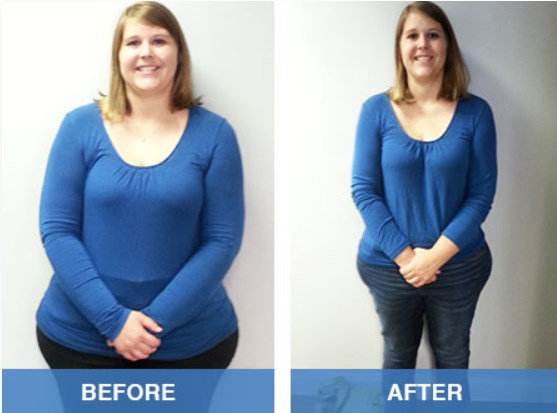
Weight loss, in the context of medicine, health, or physical fitness, refers to a reduction of the total body mass, due to a mean loss of fluid, body fat or adipose tissue or lean mass, namely bone mineral deposits, muscle, tendon, and other connective tissue. Weight loss can either occur unintentionally due to malnourishment or an underlying disease or arise from a conscious effort to improve an actual or perceived overweight or obese state. “Unexplained” weight loss that is not caused by reduction in calorific intake or exercise is called cachexia and may be a symptom of a serious medical condition. Intentional weight loss is commonly referred to as slimming.
WE HAVE SOME GOOD NEWS TO YOU, WE HAVE A SOLUTION TO THAT.
Please CLICK BELOW for our special promos for easy weight loss.
Fat Decimator System By Wes Virgin – New November 2018 Launch! Huuuge! (view mobile)
Multi-millionaire Vendor Wesley Virgin From Fat Diminisher Is Back And Has Launched His New Weight Loss Offer For 2018! $4 Epcs, 8% Conversions, This Will Be The #1 Health Product For The Year. Start Now! Ask For 90% Commission And You Will Get It!
 fitness.tech.blog